The evolution of casinos a journey through time and chance
The Origins of Gambling
The history of gambling stretches back thousands of years, with evidence of games of chance found in ancient cultures from China to Egypt. Early forms of gambling included rudimentary dice games and betting on the outcomes of various events, showcasing humanity’s inherent desire for risk and reward. These activities often played a significant role in social interactions and community bonding, laying the groundwork for what would eventually evolve into structured gambling establishments, including online casinos.

As societies progressed, so did the methods of gambling. In the Roman Empire, public gambling became more organized, with laws enacted to regulate betting on events such as gladiatorial contests. This early form of organized gambling paved the way for the establishment of more formal gaming houses, setting the stage for the modern casino experience.
The Rise of Formal Casinos
The first official casino, the Ridotto, opened in Venice in 1638. This establishment was groundbreaking, as it not only allowed gambling but also provided a regulated environment for the activity. The Ridotto aimed to maintain order and ensure fairness among players, marking a pivotal moment in the evolution of casinos. Its success inspired other cities across Europe to follow suit, leading to the establishment of casinos in places like Monaco and Paris.
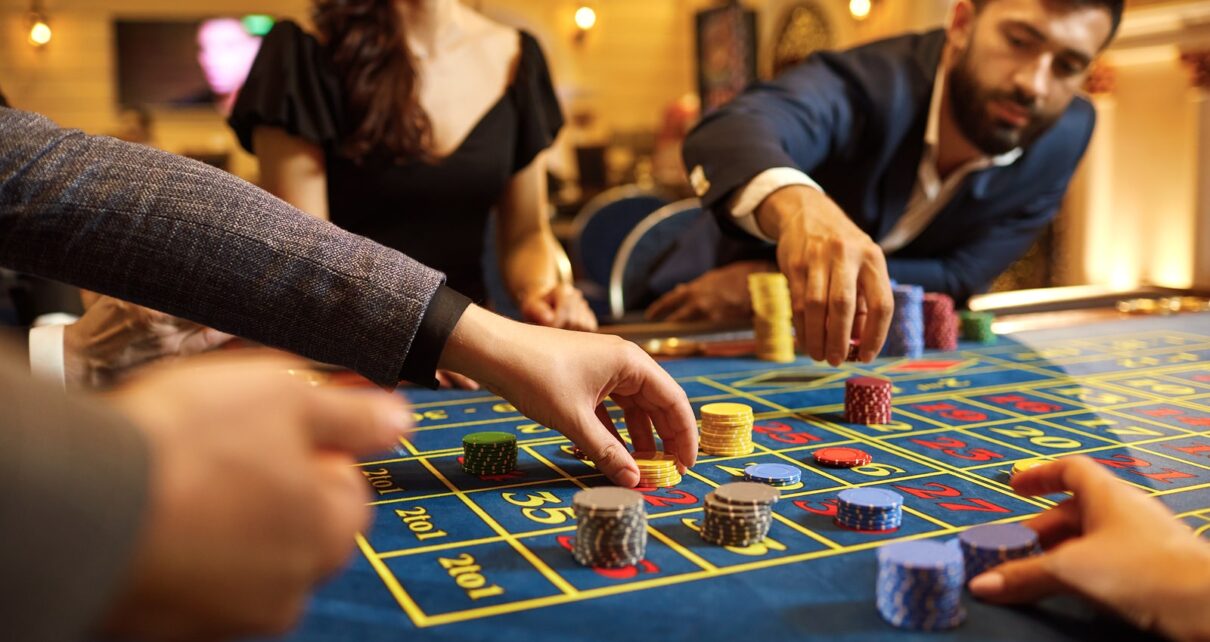
During the 19th century, casinos became synonymous with luxury and entertainment, attracting the wealthy elite. This period saw the introduction of iconic games like roulette and blackjack, which are still popular today. The design and ambiance of casinos also evolved, becoming grand venues that offered not just gambling but also fine dining, music, and lavish decor, solidifying their place in high society.
The Impact of Technology
The advent of technology in the 20th century transformed the casino landscape significantly. The introduction of slot machines revolutionized the gambling experience, allowing for quick and easy gameplay that appealed to a broader audience. These machines became a staple in casinos, offering a simple yet exciting way for players to engage in games of chance.
The rise of the internet in the late 20th century further altered the casino industry. Online casinos emerged, bringing gaming to the fingertips of players worldwide. This shift not only expanded the reach of gambling but also introduced new forms of gameplay, including live dealer games, which combine the excitement of a physical casino with the convenience of online play.
Luck vs. Skill in Gambling
The debate over luck versus skill in gambling has been ongoing since the inception of casinos. Many games, such as slots and roulette, rely heavily on chance, leaving players at the mercy of random outcomes. However, other games like poker and blackjack require strategic thinking and skill, allowing players to influence the results through their decisions.
This dichotomy has led to varied approaches in gambling strategies. While some players prefer games of luck for their simplicity and thrill, others immerse themselves in skill-based games, often dedicating time to learn and perfect their strategies. This interplay between luck and skill continues to shape the casino experience, attracting diverse audiences with different preferences and gaming philosophies.
Modern Casinos and Online Gaming
Today’s casinos reflect a blend of traditional elements and modern innovations. From luxurious resorts in Las Vegas to online platforms offering mobile gaming, the industry caters to a wide array of gamblers. The rise of mobile gaming apps and virtual reality experiences indicates the industry’s commitment to adapting to consumer preferences and technological advancements.
Online casinos have transformed how players interact with games, offering convenience and accessibility that physical casinos cannot match. Players can enjoy their favorite games from anywhere, fostering a new era of gambling that emphasizes choice and flexibility. As technology continues to advance, the future of casinos promises to be even more dynamic and engaging for players worldwide.

