The psychology behind why we gamble Understanding the mind’s allure
The thrill of uncertainty
The allure of gambling often lies in the excitement of uncertainty. Players are drawn to the unpredictable outcomes that gambling offers. This unpredictability can trigger a rush of adrenaline, making the experience exhilarating. The brain’s reward system becomes activated when a player takes a risk, releasing dopamine and creating feelings of pleasure and excitement. When you consider where to start, you might want to Play Pin Up and explore your options.

This thrill is not limited to winning; the very act of gambling can be an enticing rollercoaster of emotions. Players experience a range of feelings from hope to despair, creating a unique psychological rollercoaster. This unpredictability creates an environment where players continually seek the next high, reinforcing the desire to gamble.
The illusion of control
Many gamblers believe they can control the outcomes of games through skill or strategy. This illusion of control can lead players to engage more frequently, as they feel empowered by their perceived ability to influence the results. Cognitive biases, such as the gambler’s fallacy, often reinforce this belief, making players think that a winning streak can continue or that a particular strategy will eventually lead to success.
This false sense of mastery not only increases the frequency of gambling but can also lead to larger bets. When players feel they can outsmart the game, they may underestimate the inherent risks involved, further entrenching their gambling habits. This psychological phenomenon can create a cycle that is hard to break.
The social aspect of gambling
Gambling often serves as a social activity, where individuals come together to share in the excitement. This communal aspect enhances the experience, as players feed off each other’s energy and enthusiasm. Social environments such as casinos or online platforms foster connections and a sense of belonging among players, which can be incredibly appealing.
Additionally, the social validation received from peers can encourage further gambling behavior. Players might feel a pressure to participate or keep up with others, driving them to gamble even when they might not have intended to. This social dynamic is a powerful influencer in the gambling experience, making it more than just a solitary activity.
The impact of marketing and accessibility
Modern gambling has been transformed by marketing strategies that exploit psychological triggers. Promotions and advertisements are designed to create urgency and excitement, drawing players in with the promise of big wins. The use of vibrant visuals, enticing bonuses, and user-friendly interfaces enhances the overall experience, making gambling more appealing.
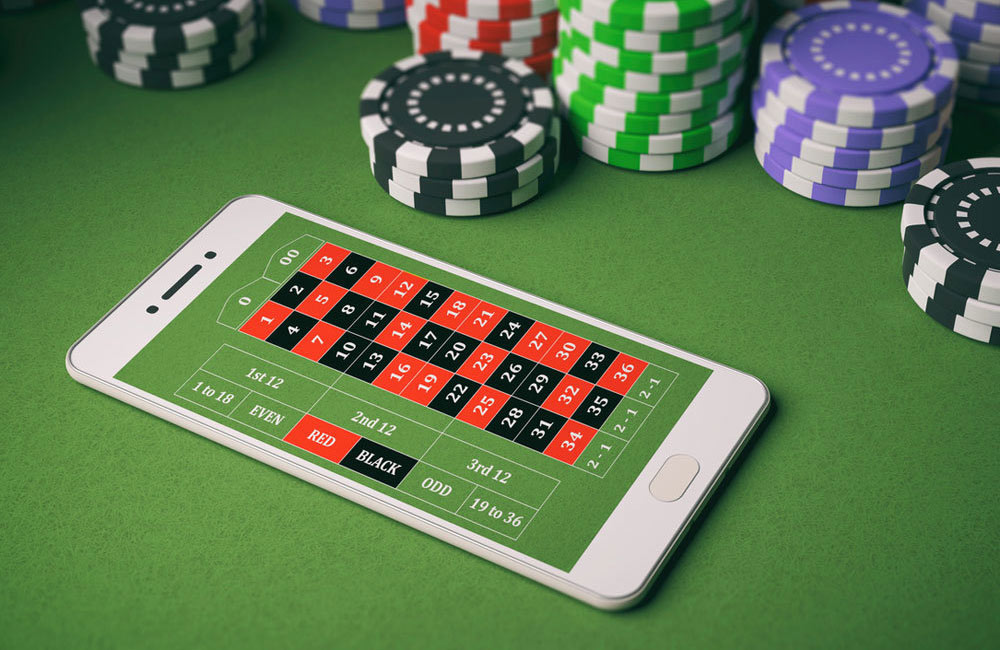
Moreover, the rise of online casinos has made gambling more accessible than ever. With just a click, players can immerse themselves in a world of games, often leading to impulsive decisions. The constant availability can blur the lines between entertainment and addiction, as players might gamble at any time without the traditional barriers of physical casinos.
Discovering the world of Pin-Up Play Casino
Pin-Up Play Casino stands out as a premier online gaming destination tailored for players who seek an engaging and thrilling gambling experience. With a vast selection of games ranging from slots to live dealer options, the platform offers something for everyone. Its user-friendly interface and extensive bonuses enhance the appeal, ensuring that players feel valued and entertained.
Launched in 2016, Pin-Up Play Casino combines innovation with trust, providing a seamless experience for Canadian players. By understanding the psychological factors behind gambling, Pin-Up Play Casino creates an environment that caters to the modern player’s needs while emphasizing responsible gaming practices. Experience the excitement today and explore a journey that prioritizes both thrill and safety.

